Bipolar Disorder Causes Brain Damage. I don't think that mania can cause physical brain damage. When you become depressed, you may feel sad or hopeless and lose interest or pleasure in most activities. Bipolar disorder, formerly called manic depression, is a mental health condition that causes extreme mood swings that include emotional highs (mania or hypomania) and lows (depression). Bipolar disorder affects mood, but it can also have an impact on stress levels and thinking ability. D) in each of these disorders, we know that active phases of the disease, or episodes, accelerates brain deterioration. They are certainly not present in all people with bipolar illness, nor do we really know what there functional significance may be in any given individual. A study by researchers at the san francisco va medical center indicates that people with bipolar disorder may suffer progressive brain damage. Doctors don't completely understand the causes of bipolar disorder.but they've gained a greater understanding in recent years of the bipolar spectrum, which includes the elated highs of mania to. Cognitive deficit stemming from bipolar disorder is no more your fault than impairment brought about by brain trauma. A person may experince difficulty concentrating and problems with short term memory. This condition is characterized by one or more occurrences of manic or mixed episodes, and in some. It is well understood that those of us with mood disorders have different chemical balances, and that parts of our brains work differently than those of your average joe. In other words, the brain of a bipolar has structural and functional deterioration that is different from the brain of a major depressive disorder. You don't want it, you didn't choose it and you can't make it go away. Lest we cause a panic, dr bearden wants to remind readers that while these brain differences are there, they are subtle.
Bipolar Disorder Causes Brain Damage , D) In Each Of These Disorders, We Know That Active Phases Of The Disease, Or Episodes, Accelerates Brain Deterioration.
Cbd And Bipolar Disorder Learn The Benefits Evidence Based. Lest we cause a panic, dr bearden wants to remind readers that while these brain differences are there, they are subtle. They are certainly not present in all people with bipolar illness, nor do we really know what there functional significance may be in any given individual. Bipolar disorder affects mood, but it can also have an impact on stress levels and thinking ability. When you become depressed, you may feel sad or hopeless and lose interest or pleasure in most activities. Bipolar disorder, formerly called manic depression, is a mental health condition that causes extreme mood swings that include emotional highs (mania or hypomania) and lows (depression). This condition is characterized by one or more occurrences of manic or mixed episodes, and in some. D) in each of these disorders, we know that active phases of the disease, or episodes, accelerates brain deterioration. It is well understood that those of us with mood disorders have different chemical balances, and that parts of our brains work differently than those of your average joe. Doctors don't completely understand the causes of bipolar disorder.but they've gained a greater understanding in recent years of the bipolar spectrum, which includes the elated highs of mania to. A study by researchers at the san francisco va medical center indicates that people with bipolar disorder may suffer progressive brain damage. In other words, the brain of a bipolar has structural and functional deterioration that is different from the brain of a major depressive disorder. You don't want it, you didn't choose it and you can't make it go away. A person may experince difficulty concentrating and problems with short term memory. Cognitive deficit stemming from bipolar disorder is no more your fault than impairment brought about by brain trauma. I don't think that mania can cause physical brain damage.
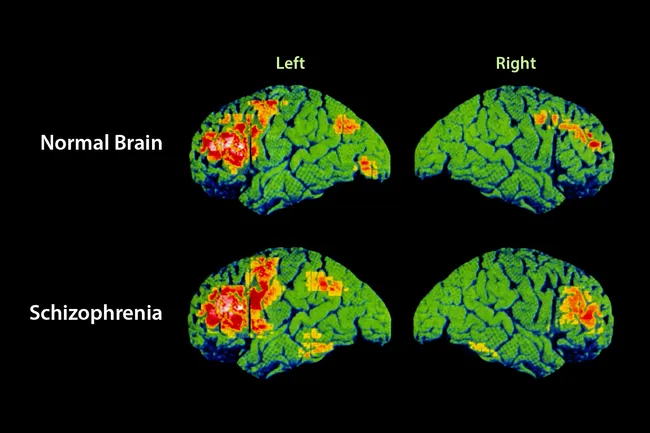
These extreme and intense emotional states, or mood episodes, can affect their ability to function.
Brain damage from bipolar disorder/kindling i do believe there is overall decline as we have episode to episode as time passes. They are certainly not present in all people with bipolar illness, nor do we really know what there functional significance may be in any given individual. Doctors don't completely understand the causes of bipolar disorder.but they've gained a greater understanding in recent years of the bipolar spectrum, which includes the elated highs of mania to. Can a traumatic brain injury cause bipolar disorder? Study suggests bipolar disorder may cause progressive brain damage. psychiatric clinics of north america: Traumatic brain injury, often shortened to tbi, occurs when a sudden, external trauma causes damage to the brain. These extreme and intense emotional states, or mood episodes, can affect their ability to function. Too much glutamate causes excitotoxicity, which kills brain cells, and agents like lamotrigine (lamictal) which have shown efficacy against bipolar modulate glutamate. Bipolar disorder (bd) is a severe and complex mental illness with a strong genetic component that affects 2% of the world population. Cognitive and neurological impairment in mood disorders. The research team concluded that the link between traumatic brain injury and bipolar disorder needs further study to learn why there is an increased likelihood when a patient has bipolar disorder. Bipolar disorder does in fact cause damage to the brain. In other words, the brain of a bipolar has structural and functional deterioration that is different from the brain of a major depressive disorder. Bipolar disorder is associated with a higher risk for traumatic brain injury (tbi), according to the findings of a longitudinal cohort study published in psychiatry research. For me its not just the bipolar, its chronic insomnia and any chronic pain that gets relentless also will cause cognitive decline neck and neck with mental illness struggles. A study by researchers at the san francisco va medical center indicates that people with bipolar disorder may suffer progressive brain damage. Most often, the initial onset of bipolar disorder occurs when the sufferer is in his or her late teens or early 20s, although both earlier and later onset can happen. It is well understood that those of us with mood disorders have different chemical balances, and that parts of our brains work differently than those of your average joe. Bipolar disorder is a serious mental health problem that might manifest following a brain injury. A person may experince difficulty concentrating and problems with short term memory. All three types involve clear changes in mood, energy, and activity levels. Despite our lack of understanding of the causes of bipolar disorder, scientists today combine forces to tackle its mysteries in the hopes of helping patients. Bipolar disorder, formerly called manic depression, is a mental health condition that causes extreme mood swings that include emotional highs (mania or hypomania) and lows (depression). This condition is characterized by one or more occurrences of manic or mixed episodes, and in some. It simply is not well understood that a traumatic brain injury can cause bipolar disorder. Said the study?s lead author raymond deicken, md. Deicken is the medical director of the psychiatric partial. Memory and even recovery from brain damage. When you become depressed, you may feel sad or hopeless and lose interest or pleasure in most activities. This is true for bipolar disorder. I don't think that mania can cause physical brain damage.
After Searching 12 Years For Bipolar Disorder S Cause A Team Concludes It Has Many . A Study By Researchers At The San Francisco Va Medical Center Indicates That People With Bipolar Disorder May Suffer Progressive Brain Damage.
Conditions That Change The Brain. A study by researchers at the san francisco va medical center indicates that people with bipolar disorder may suffer progressive brain damage. They are certainly not present in all people with bipolar illness, nor do we really know what there functional significance may be in any given individual. Bipolar disorder, formerly called manic depression, is a mental health condition that causes extreme mood swings that include emotional highs (mania or hypomania) and lows (depression). A person may experince difficulty concentrating and problems with short term memory. I don't think that mania can cause physical brain damage. In other words, the brain of a bipolar has structural and functional deterioration that is different from the brain of a major depressive disorder. This condition is characterized by one or more occurrences of manic or mixed episodes, and in some. Lest we cause a panic, dr bearden wants to remind readers that while these brain differences are there, they are subtle. D) in each of these disorders, we know that active phases of the disease, or episodes, accelerates brain deterioration. It is well understood that those of us with mood disorders have different chemical balances, and that parts of our brains work differently than those of your average joe. Bipolar disorder affects mood, but it can also have an impact on stress levels and thinking ability. When you become depressed, you may feel sad or hopeless and lose interest or pleasure in most activities. Cognitive deficit stemming from bipolar disorder is no more your fault than impairment brought about by brain trauma. Doctors don't completely understand the causes of bipolar disorder.but they've gained a greater understanding in recent years of the bipolar spectrum, which includes the elated highs of mania to. You don't want it, you didn't choose it and you can't make it go away.
Frontiers Alterations In Cerebrospinal Fluid In Patients With Bipolar Syndromes Psychiatry - It Is Well Understood That Those Of Us With Mood Disorders Have Different Chemical Balances, And That Parts Of Our Brains Work Differently Than Those Of Your Average Joe.
Norwich Connecticut Brain Injury Recovery Ct Tbi On Twitter Rt Ct Healthcare Tbi Https T Co V7uzfhrhek Bipolar Disorder Depression Mania Causes Symptoms Treatment Pathologyy Bipolar Disorder Was Formerly Called Manic Depression It. This condition is characterized by one or more occurrences of manic or mixed episodes, and in some. It is well understood that those of us with mood disorders have different chemical balances, and that parts of our brains work differently than those of your average joe. In other words, the brain of a bipolar has structural and functional deterioration that is different from the brain of a major depressive disorder. Cognitive deficit stemming from bipolar disorder is no more your fault than impairment brought about by brain trauma. A study by researchers at the san francisco va medical center indicates that people with bipolar disorder may suffer progressive brain damage. They are certainly not present in all people with bipolar illness, nor do we really know what there functional significance may be in any given individual. A person may experince difficulty concentrating and problems with short term memory. I don't think that mania can cause physical brain damage. Doctors don't completely understand the causes of bipolar disorder.but they've gained a greater understanding in recent years of the bipolar spectrum, which includes the elated highs of mania to. D) in each of these disorders, we know that active phases of the disease, or episodes, accelerates brain deterioration.
Schizophrenia Cause And Prevention : Cognitive deficit stemming from bipolar disorder is no more your fault than impairment brought about by brain trauma.
Psychiatric Disease Broad Institute. In other words, the brain of a bipolar has structural and functional deterioration that is different from the brain of a major depressive disorder. When you become depressed, you may feel sad or hopeless and lose interest or pleasure in most activities. Bipolar disorder, formerly called manic depression, is a mental health condition that causes extreme mood swings that include emotional highs (mania or hypomania) and lows (depression). A person may experince difficulty concentrating and problems with short term memory. You don't want it, you didn't choose it and you can't make it go away. A study by researchers at the san francisco va medical center indicates that people with bipolar disorder may suffer progressive brain damage. It is well understood that those of us with mood disorders have different chemical balances, and that parts of our brains work differently than those of your average joe. Lest we cause a panic, dr bearden wants to remind readers that while these brain differences are there, they are subtle. Cognitive deficit stemming from bipolar disorder is no more your fault than impairment brought about by brain trauma. They are certainly not present in all people with bipolar illness, nor do we really know what there functional significance may be in any given individual. D) in each of these disorders, we know that active phases of the disease, or episodes, accelerates brain deterioration. I don't think that mania can cause physical brain damage. Doctors don't completely understand the causes of bipolar disorder.but they've gained a greater understanding in recent years of the bipolar spectrum, which includes the elated highs of mania to. Bipolar disorder affects mood, but it can also have an impact on stress levels and thinking ability. This condition is characterized by one or more occurrences of manic or mixed episodes, and in some.
Mania Definition Symptoms Traits Causes Treatment - Doctors Don't Completely Understand The Causes Of Bipolar Disorder.but They've Gained A Greater Understanding In Recent Years Of The Bipolar Spectrum, Which Includes The Elated Highs Of Mania To.
Cannabis Use In Bipolar Disorder Presents A Treatment Challenge Psychiatry Advisor. Bipolar disorder affects mood, but it can also have an impact on stress levels and thinking ability. Cognitive deficit stemming from bipolar disorder is no more your fault than impairment brought about by brain trauma. A person may experince difficulty concentrating and problems with short term memory. I don't think that mania can cause physical brain damage. In other words, the brain of a bipolar has structural and functional deterioration that is different from the brain of a major depressive disorder. They are certainly not present in all people with bipolar illness, nor do we really know what there functional significance may be in any given individual. It is well understood that those of us with mood disorders have different chemical balances, and that parts of our brains work differently than those of your average joe. Lest we cause a panic, dr bearden wants to remind readers that while these brain differences are there, they are subtle. When you become depressed, you may feel sad or hopeless and lose interest or pleasure in most activities. You don't want it, you didn't choose it and you can't make it go away. This condition is characterized by one or more occurrences of manic or mixed episodes, and in some. A study by researchers at the san francisco va medical center indicates that people with bipolar disorder may suffer progressive brain damage. Bipolar disorder, formerly called manic depression, is a mental health condition that causes extreme mood swings that include emotional highs (mania or hypomania) and lows (depression). Doctors don't completely understand the causes of bipolar disorder.but they've gained a greater understanding in recent years of the bipolar spectrum, which includes the elated highs of mania to. D) in each of these disorders, we know that active phases of the disease, or episodes, accelerates brain deterioration.
Frontiers Molecular Mechanisms Of Bipolar Disorder Progress Made And Future Challenges Cellular Neuroscience : Brain Damage From Bipolar Disorder/Kindling I Do Believe There Is Overall Decline As We Have Episode To Episode As Time Passes.
Is Your Brain On Fire. Bipolar disorder affects mood, but it can also have an impact on stress levels and thinking ability. They are certainly not present in all people with bipolar illness, nor do we really know what there functional significance may be in any given individual. D) in each of these disorders, we know that active phases of the disease, or episodes, accelerates brain deterioration. A person may experince difficulty concentrating and problems with short term memory. It is well understood that those of us with mood disorders have different chemical balances, and that parts of our brains work differently than those of your average joe. I don't think that mania can cause physical brain damage. Doctors don't completely understand the causes of bipolar disorder.but they've gained a greater understanding in recent years of the bipolar spectrum, which includes the elated highs of mania to. You don't want it, you didn't choose it and you can't make it go away. This condition is characterized by one or more occurrences of manic or mixed episodes, and in some. Cognitive deficit stemming from bipolar disorder is no more your fault than impairment brought about by brain trauma. Lest we cause a panic, dr bearden wants to remind readers that while these brain differences are there, they are subtle. A study by researchers at the san francisco va medical center indicates that people with bipolar disorder may suffer progressive brain damage. When you become depressed, you may feel sad or hopeless and lose interest or pleasure in most activities. In other words, the brain of a bipolar has structural and functional deterioration that is different from the brain of a major depressive disorder. Bipolar disorder, formerly called manic depression, is a mental health condition that causes extreme mood swings that include emotional highs (mania or hypomania) and lows (depression).
Long Term Effects Of Antidepressants : Cognitive And Neurological Impairment In Mood Disorders.
Brain Damage From Bipolar Disorder Healthyplace. Cognitive deficit stemming from bipolar disorder is no more your fault than impairment brought about by brain trauma. Bipolar disorder affects mood, but it can also have an impact on stress levels and thinking ability. When you become depressed, you may feel sad or hopeless and lose interest or pleasure in most activities. Doctors don't completely understand the causes of bipolar disorder.but they've gained a greater understanding in recent years of the bipolar spectrum, which includes the elated highs of mania to. I don't think that mania can cause physical brain damage. You don't want it, you didn't choose it and you can't make it go away. In other words, the brain of a bipolar has structural and functional deterioration that is different from the brain of a major depressive disorder. It is well understood that those of us with mood disorders have different chemical balances, and that parts of our brains work differently than those of your average joe. Bipolar disorder, formerly called manic depression, is a mental health condition that causes extreme mood swings that include emotional highs (mania or hypomania) and lows (depression). Lest we cause a panic, dr bearden wants to remind readers that while these brain differences are there, they are subtle. A study by researchers at the san francisco va medical center indicates that people with bipolar disorder may suffer progressive brain damage. This condition is characterized by one or more occurrences of manic or mixed episodes, and in some. A person may experince difficulty concentrating and problems with short term memory. They are certainly not present in all people with bipolar illness, nor do we really know what there functional significance may be in any given individual. D) in each of these disorders, we know that active phases of the disease, or episodes, accelerates brain deterioration.
Bipolar Disorder Causes Long Term Brain Damage Under The Bipolar Covers - A Study By Researchers At The San Francisco Va Medical Center Indicates That People With Bipolar Disorder May Suffer Progressive Brain Damage.
Aid Ribbon Logo Vector Drawing Stock Vector Illustration Of Donation Cause 126359435. Doctors don't completely understand the causes of bipolar disorder.but they've gained a greater understanding in recent years of the bipolar spectrum, which includes the elated highs of mania to. Bipolar disorder affects mood, but it can also have an impact on stress levels and thinking ability. A person may experince difficulty concentrating and problems with short term memory. Lest we cause a panic, dr bearden wants to remind readers that while these brain differences are there, they are subtle. They are certainly not present in all people with bipolar illness, nor do we really know what there functional significance may be in any given individual. When you become depressed, you may feel sad or hopeless and lose interest or pleasure in most activities. It is well understood that those of us with mood disorders have different chemical balances, and that parts of our brains work differently than those of your average joe. Cognitive deficit stemming from bipolar disorder is no more your fault than impairment brought about by brain trauma. I don't think that mania can cause physical brain damage. A study by researchers at the san francisco va medical center indicates that people with bipolar disorder may suffer progressive brain damage. D) in each of these disorders, we know that active phases of the disease, or episodes, accelerates brain deterioration. You don't want it, you didn't choose it and you can't make it go away. In other words, the brain of a bipolar has structural and functional deterioration that is different from the brain of a major depressive disorder. This condition is characterized by one or more occurrences of manic or mixed episodes, and in some. Bipolar disorder, formerly called manic depression, is a mental health condition that causes extreme mood swings that include emotional highs (mania or hypomania) and lows (depression).
Bipolar Disorder Signs And Symptoms Helpguide Org - I Have A Cyst In A Sensitive Area In My Brain, I Was Born With It, And My Neuro Says It Causes Or At Least Makes Worse My Mania.
Cannabis Use In Bipolar Disorder Presents A Treatment Challenge Psychiatry Advisor. Cognitive deficit stemming from bipolar disorder is no more your fault than impairment brought about by brain trauma. Bipolar disorder, formerly called manic depression, is a mental health condition that causes extreme mood swings that include emotional highs (mania or hypomania) and lows (depression). It is well understood that those of us with mood disorders have different chemical balances, and that parts of our brains work differently than those of your average joe. D) in each of these disorders, we know that active phases of the disease, or episodes, accelerates brain deterioration. Doctors don't completely understand the causes of bipolar disorder.but they've gained a greater understanding in recent years of the bipolar spectrum, which includes the elated highs of mania to. A person may experince difficulty concentrating and problems with short term memory. A study by researchers at the san francisco va medical center indicates that people with bipolar disorder may suffer progressive brain damage. When you become depressed, you may feel sad or hopeless and lose interest or pleasure in most activities. Lest we cause a panic, dr bearden wants to remind readers that while these brain differences are there, they are subtle. This condition is characterized by one or more occurrences of manic or mixed episodes, and in some. Bipolar disorder affects mood, but it can also have an impact on stress levels and thinking ability. You don't want it, you didn't choose it and you can't make it go away. They are certainly not present in all people with bipolar illness, nor do we really know what there functional significance may be in any given individual. In other words, the brain of a bipolar has structural and functional deterioration that is different from the brain of a major depressive disorder. I don't think that mania can cause physical brain damage.
Environmental Pollution Is Associated With Increased Risk Of Psychiatric Disorders In The Us And Denmark : That Shouldn't Change Much In Bipolar Disorder, Whereas In Schizophrenia, For Example, It Will Become Progressively Worse With Time.
Unipolar Depression In Adults Assessment And Diagnosis Uptodate. It is well understood that those of us with mood disorders have different chemical balances, and that parts of our brains work differently than those of your average joe. Bipolar disorder affects mood, but it can also have an impact on stress levels and thinking ability. D) in each of these disorders, we know that active phases of the disease, or episodes, accelerates brain deterioration. In other words, the brain of a bipolar has structural and functional deterioration that is different from the brain of a major depressive disorder. They are certainly not present in all people with bipolar illness, nor do we really know what there functional significance may be in any given individual. Bipolar disorder, formerly called manic depression, is a mental health condition that causes extreme mood swings that include emotional highs (mania or hypomania) and lows (depression). When you become depressed, you may feel sad or hopeless and lose interest or pleasure in most activities. Lest we cause a panic, dr bearden wants to remind readers that while these brain differences are there, they are subtle. A study by researchers at the san francisco va medical center indicates that people with bipolar disorder may suffer progressive brain damage. Doctors don't completely understand the causes of bipolar disorder.but they've gained a greater understanding in recent years of the bipolar spectrum, which includes the elated highs of mania to. You don't want it, you didn't choose it and you can't make it go away. I don't think that mania can cause physical brain damage. This condition is characterized by one or more occurrences of manic or mixed episodes, and in some. A person may experince difficulty concentrating and problems with short term memory. Cognitive deficit stemming from bipolar disorder is no more your fault than impairment brought about by brain trauma.
Causes Of Bipolar Disorder Understanding The Risk Factors . The Research Team Concluded That The Link Between Traumatic Brain Injury And Bipolar Disorder Needs Further Study To Learn Why There Is An Increased Likelihood When A Patient Has Bipolar Disorder.
Depression Bipolar Disorder Cause And Cure. Bipolar disorder affects mood, but it can also have an impact on stress levels and thinking ability. It is well understood that those of us with mood disorders have different chemical balances, and that parts of our brains work differently than those of your average joe. Bipolar disorder, formerly called manic depression, is a mental health condition that causes extreme mood swings that include emotional highs (mania or hypomania) and lows (depression). A study by researchers at the san francisco va medical center indicates that people with bipolar disorder may suffer progressive brain damage. When you become depressed, you may feel sad or hopeless and lose interest or pleasure in most activities. This condition is characterized by one or more occurrences of manic or mixed episodes, and in some. Doctors don't completely understand the causes of bipolar disorder.but they've gained a greater understanding in recent years of the bipolar spectrum, which includes the elated highs of mania to. In other words, the brain of a bipolar has structural and functional deterioration that is different from the brain of a major depressive disorder. D) in each of these disorders, we know that active phases of the disease, or episodes, accelerates brain deterioration. I don't think that mania can cause physical brain damage. They are certainly not present in all people with bipolar illness, nor do we really know what there functional significance may be in any given individual. A person may experince difficulty concentrating and problems with short term memory. Cognitive deficit stemming from bipolar disorder is no more your fault than impairment brought about by brain trauma. Lest we cause a panic, dr bearden wants to remind readers that while these brain differences are there, they are subtle. You don't want it, you didn't choose it and you can't make it go away.